Pathologizing the Normal
Or new mothers don’t want to have sex, thanks

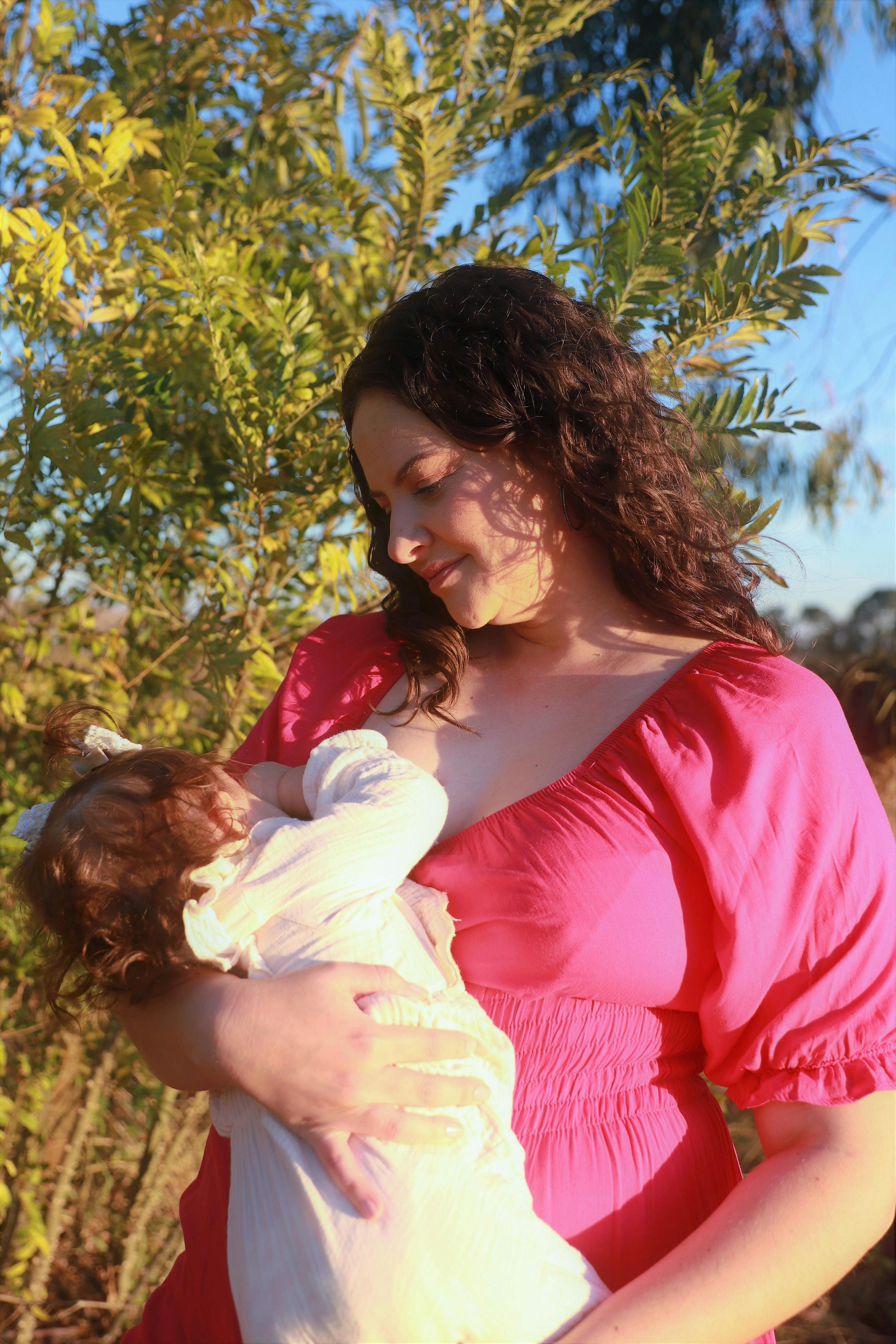
You know how until fairly recently, medical science and research studies avoided using women as people in our own right? That men were always the default human subjects because us women with our totally unreliable changing hormonal patterns might just gum up the works of someone’s Very Important Study? Or OMG, we might get pregnant while the research was in progress!!! Way to go, skewed results!
Yeah, better just stick to men because we women are just the same, except we are usually smaller, faultier versions of “people”. I mean, aren’t men on their own generic enough for you? What’s the big deal anyway?
Well, I hate to break it to you, but men and women are not physically or physiologically the same, even if we are similar. Did you know that women are twice as likely to die of heart attacks because our symptoms differ to those of men’s? And that most of the public service announcements about heart attacks only list what men need to be aware of?
And yes, I know that men can get breast cancer too. But in my anecdotal experience, I would need extra fingers to count all the women I know who have been diagnosed with breast cancer. Personally, I know only one man who has been treated for this. Which is of course, why no national breast screening services anywhere routinely screens men because this would be a total waste of time and of valuable health resources.
One factor that has a large buy in in many cultures is a difference in sex drive or libido between men and women. Some religions have codified this; in many Islamic settings the mere sight even of an elderly woman’s hair might cause men to become sexually unrestrained, which means it is a woman’s job to help men control their “urges”. In Western societies many people still believe that a young woman dressed “provocatively” was “asking” to be sexually assaulted or raped.
Adults are expected to be sexually active throughout their entire lifespan and both sexes often appear to be held to the same standard, which ignores the fact that our dodgy hormones (which might upset research) are a reproductive factor that has kept our species going since mammals differentiated from reptiles millions of years ago. No man will ever have fluctuating hormones because of menstruation, pregnancy, birth, breastfeeding or menopause.
Breastfeeding: a real downer for sex
Well now in the USA, a group of medical experts have combined their talents to produce a paper that ta da! announces a new medical condition that someone needs to fix. Entitled Genitourinary syndrome of lactation: a new perspective on postpartum and lactation-related genitourinary symptoms it posits that the reason that new mothers are not all that keen about resuming sexual intercourse after birth is because their vaginas are too dry to enjoy this.
They come up with a bunch of physiological reasons why this has happened and add in a host of assumptions that really just don’t stack up for me anyway. Typically, they assume that if a new mother is not interested in sex then she must be sick. (I mean why else wouldn’t she be as keen as her man to get back to an active sex life?)
They pathologize the normal postpartum hormonal profile and blatantly characterize a new mother’s normal disinterest in sex as a problem that needs solving, without much recognition of the physical and psychological ramifications of a woman’s reproductive cycle. This article reflects the majority of Western thinking about breastfeeding – that it’s unimportant and something of a nuisance as it is clearly interfering with the need (sic) for sex, not just for women themselves, but for their sexual partners as well.
While it is true that some (not all) postpartum women will experience the range of symptoms described in this paper specifically, vaginal dryness and dyspareunia (painful sexual intercourse), by using terms such as “vaginal atrophy” they move this from normal physiology to a pathology. It is framed as a problem that women need to solve.
How about switching this up and suggesting that postpartum fathers have a problem if they feel the need to pressure women into sex they may not want? Why is this being presented from the perspective of a newly delivered mother whose usefulness as a sexual partner is prioritized over her value as a breastfeeding mother?
Offering screening and treatment for a collection of symptoms which are actually physically normal at that particular time in a woman’s life, ignores even more important factors than the state of your vagina. First is recovering from the sheer physicality of birth itself.
Even the most straightforward “easy” birth leaves women feeling disconnected from their bodies. Their baby bump may be gone, but in its place is a saggy, baggy torso that is brand new. Even with no tears or lacerations, your vagina knows it has pushed out something that was Really Big. And then there’s the constant bleeding…
Women are more tired than they have ever been (remembering that the lack of quality sleep disappeared in pregnancy when it was necessary to get up frequently at night to pee), they may have been having contractions/in labor for over 24 hours and now they have a brand new human to care for who needs constant contact to be settled and content.
It is normal for new mothers to be totally engrossed in their babies. Nature has planned this; the hormonal changes in pregnancy are designed to program women to care for their babies. Without this, babies can be abandoned in other mammal species and we are not that different. Mothers can become so touched out by routine breastfeeding and baby care that they often do not welcome the sexual attention of men at this important time in their lives - when the evolutionary priority is the nourishment and nurturing of the newborn baby. During this time high prolactin levels are essential, not least because extra prolactin receptors are being laid down in the breasts, which can respond to lower and lower levels of prolactin yet produce the same quantity of milk for exclusive breastfeeding during the next few months.
Is this paper really proposing that male partners are entitled to access to the mother of their child’s body, no matter the recent birth and the current need for the baby for his mother’s milk? I am not sure that for most new mothers their interest (or lack of interest) in sex counts as a “quality of life” issue, and I question why the authors are framing this as a problem that needs fixing.
Lack of sexual desire following childbirth should not be described as “sexual dysfunction”. If 80% of breastfeeding women experience vaginal dryness (and consequent dyspareunia) then this surely is normal?
Just add estrogen?
Estrogen plays a complex, dual role in lactation. During pregnancy, high estrogen levels, alongside progesterone, promote the growth and development of milk ducts and glandular tissue in the mammary glands, preparing the breasts for milk production. However, these high estrogen levels also suppress prolactin, the primary hormone for milk production, preventing milk secretion during pregnancy. After childbirth, estrogen levels decline sharply, allowing prolactin to stimulate milk production.
According to this study, “Taken together, it would be plausible that lactating women, who are thus in a hypoestrogenic state, may have delayed or impeded recovery as compared with postpartum women who are not breastfeeding. To our knowledge, there have been no studies investigating this potential relationship.”
While it is true that estrogen plays a role in collagen production, which is needed for wound healing, it makes no sense that a normal postpartum state (low estrogen levels) would work against normal healing. Though no doubt undesired sexual intercourse could well be a contributory factor.
They go on to talk about treatment options for an overly dry vagina in postmenopausal women as if this is the same in women who have recently given birth. Given that the American health care system is actually a user pays health business, one wonders if this is seen as just another market to profit from.
Combined oral contraceptives (estrogen and progestin) are not recommended for breastfeeding mothers because the estrogen component can cause both milk quantity and quality to diminish.
Perelmuter et al. are not happy with this as they state, “the patient package insert included with low-dose vaginal estrogen therapies states,“Estrogen administration to nursing women has been shown to decrease the quantity and quality of the breast milk. Detectable amounts of estrogens have been identified in the breast milk of women receiving estrogen therapy. ” This statement is unsupported by current literature . Unfortunately, this strongly worded language may lead to fear in prescribing clinicians and lactating mothers.”
Studies which apparently find that breast milk production (quantity) is not affected by topical estrogen therapy and conclude that this treatment causes no problem in lactating women, gloss over the effect of estrogen on breast milk quality; in particular that estrogens have been found to influence protein and fat ratios in breast milk.
This case study demonstrates the deleterious effects of estrogen on lactation.
In my work with women, I have seen more than enough evidence of the effects of estrogen on breastfeeding that I would not recommend its use for mothers who want to breastfeed their babies.
Isn’t sex an overrated activity for new mothers?
Many cultures around the world prohibit resumption of sexual activity during the entire breastfeeding period – this is no doubt a physiological benefit to the mother/baby pair in that a mother will not have to share herself with an adult who can surely wait for his loved one to recover at the exact same time period that babies need their mothers for survival. And, in some societies, the temporary prohibition of intercourse ensures that another pregnancy will not take place until the current baby is weaned and no longer needs mother’s milk or is at least not totally dependent on a mother’s breast milk supply.
Currently, doctors advise that waiting a few weeks before resuming intercourse is beneficial; often women are told to wait until after the first postpartum medical check, which is usually about six weeks after birth.
Why do our industrialized societies focus on the resumption of sex between the mother and her partner rather than placing a higher priority on the needs of the more vulnerable baby/toddler/young child? Could it be that these are the societies that are least likely to breastfeed and more likely to formula feed? Where mothers are urged to take up hormonal contraceptive methods in order to reduce the likelihood of a subsequent pregnancy, this again may sabotage the hormonal profile a breastfeeding mother needs to continue to produce adequate quantities (and quality) of breast milk, and the direct physiological consequence is also to facilitate the sale of breast milk substitutes.
This is all of a piece; the “normal” postpartum state (high prolactin, low estrogen and progesterone) is pathologized in order to prioritize meeting the sexual needs of the male partner, which may lead either to an earlier pregnancy (jeopardizing breastfeeding) and/or acceptance of hormonal methods of contraception (again jeopardizing the hormonal requirements of breastfeeding).
New mothers are bombarded with advice about how to return to “normal”, how to restore their bodies to that “never had a baby” look (good luck!) and celebrity moms who (with the work of their teams of paid staff) are magically walking the red carpet weeks after giving birth without a single breast milk saturated blouse in view.
I question why the birth of a brand new human, rather than being seen as a special, sacred and unique time in the lives of parents, is virtually ignored by studies such as this one, and treated as if it is something to be brushed away as quickly as possible.
And I wonder if any of the authors has taken the time to talk to women to find out if they think that their lack of sexual desire following birth is indeed a problem that needs fixing or just another weave in the tapestry of living a full life.
Good Lord, can there possibly be a more male-based view of the female body?? That's just insane!
I’m so glad you are calling out this male-centric perspective and the sabotage of breastfeeding that’s going on here. The way that studies like these are approaching women’s experiences postpartum are NOT THE WAY. I do think that women straight-up not wanting to have sex (after the bleeding and swelling is gone of course!!) is a problem though. Not a problem with their bodies - postpartum is a stage in the life cycle of a woman, and there is nothing pathological about it. But I do think the ideal in a marriage is that both people are basically always down for that unity with each other - in an existential sense, not necessarily that their libido is raging and they physically want to jump their partner.
When things in life and with the body shift, so does sex - and I think those shifts are important for the relationship, and a reason to give special attention to the sexual relationship, not neglect it. What if the massive life change and addition of responsibility that a woman feels postpartum means she needs her husband to level up in showing her his trust and care to let her know he’s with her and supporting her 100%? What if he can show her this powerfully by taking extra time and care to make sure she is totally unwound and aroused so that it isn’t painful for her? What if vaginal dryness isn’t so much a physical reality as a physiological response to this life stage and a call for more sensitive care and attunement in the relationship?
Sexual desire is mostly not physical - it’s a whole-being phenomenon. I venture to say that it actually BEGINS in the existential context of the relationship overall. So if a woman is hesitant postpartum, I would think it’s something that needs to be explored with sensitivity. It’s an opportunity for greater vulnerability. I have found that the intimacy and connection that come with sex, despite any difficulties specific to postpartum, render every other aspect of the postpartum period more easeful, meaningful, and connected. The baby came from sex - I just think it’s strange for it to be dropped from the picture once the baby is here.
Does this make sense? Curious as to your thoughts. Love your work!!!